New PRV Design, Installation & Optimisation
Pressure is what pushes water out of a leaking pipe, and this part of South West Water’s network had far more of it than it needed. At the lowest properties it reached 8 bar. We found where a valve should go, designed the scheme, and then brought the pressure down slowly enough that nobody noticed. Bursts are now expected to fall by 62%.
CLIENT
South West Water

THE RESULTS
62%Fewer bursts expected
235 m³Less water into the zone every day
37 mLower pressure across the zone
9.4 m³Off the minimum night flow, every hour
THE CONTEXT
A region-wide push on pressure
South West Water supplies around 1.7 million people across Cornwall, Devon and parts of Somerset and Dorset, and since 2016 a further half a million in the Bournemouth Water region. As part of its leakage reduction programme it set out to put new pressure reducing valves into that network. We have been working alongside them on finding the schemes worth doing, designing them, and getting the benefit out of them once they are in.
THE CHALLENGE
Eight bar at the bottom of the hill
This area was carrying much more pressure than it needed. Large numbers of properties were on high pressure, and at the lowest points it reached 8 bar. Pressure like that forces water out through every weakness in the network, and over time it breaks the pipes outright.
The questions were where a valve would do the most good, and how far the pressure could come down without customers noticing the difference.
our approach
Log it, design it, then bring it down slowly
We logged and analysed pressures across the area before identifying where a new PRV should sit, then produced the installation scope for the civils contractor, Kier. The process we followed has since been adopted by South West Water as their own.
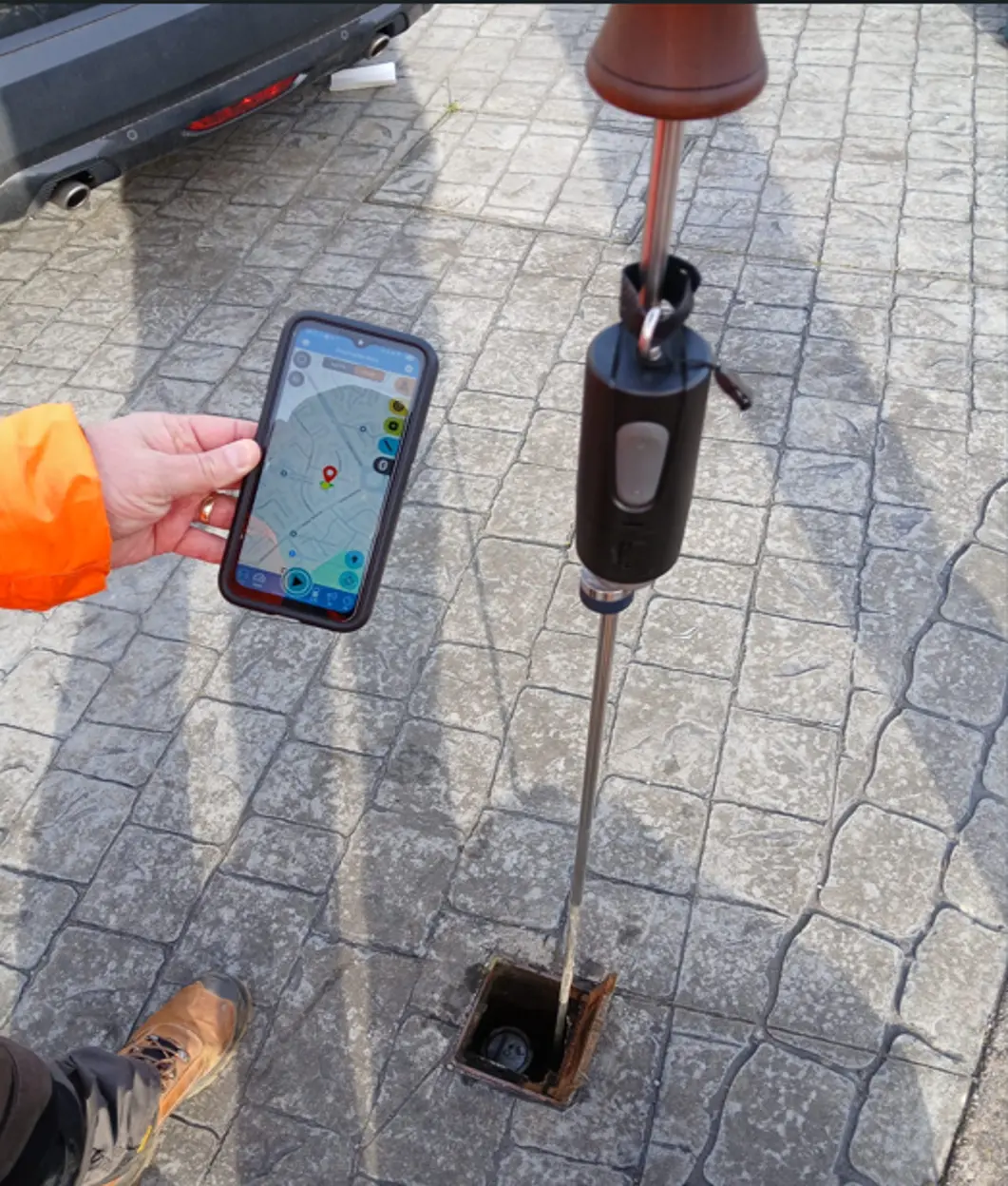
Once the valve was in and commissioned, a Pegasus controller went onto it. That meant the pressure could be adjusted remotely, without the cost and the delay of sending someone to site for every change.
Then we brought it down in stages. Dropping pressure quickly is how customers end up with problems, so each step left time for the network and the people on it to settle, and showed us the point at which further reductions would start costing more than they returned. The final stage switched the valve to full flow control.
PROGRAMME AT A GLANCE
The scheme in short
The first of many new schemes has now completed its final optimisation having been through the process of selection, logging, design, installation and commissioning.
The resulting outcomes evidence the company and customer benefit that is still available in the network through targeted scheme selection, data collection and hydraulic analysis.
This area was identified as having ideal scope for pressure management with large numbers of properties receiving high pressure and a maximum of 8 Bar at the lowest properties.
Client
Scope
Civils contractor
Controller
Starting pressure
Status
what this proves
There is still room in a network people think is finished
This was the first of many schemes, and it settled the question the programme existed to ask. The benefit is still there, in a network that has already had decades of attention, if the targeting is done properly.
Bursts are the part that matters most. A 62% reduction in expected burst frequency means fewer holes in the road, fewer customers off supply, and pipes that last longer before they need replacing. The pressure management benefit came out at 51,450 property metre hours, which is the measure South West Water uses to compare schemes against each other.
The other point is the range. We did the targeting, the logging, the design, the installation scope, the controller, the optimisation and the analysis of what it delivered. Not one stage of it, all of them.