Finding the Leakage in Kingswood
Bristol Water knew Kingswood was losing water. The nightline was running around 12,000 litres an hour above target, which is a lot to be unaccounted for. What nobody could say was where. Kingswood is an unusually large district metered area, effectively two areas operating as one, covering just over six thousand properties, and that scale is precisely what makes leakage hard to pin down. We surveyed the whole of it in two weeks and found 52 leaks.

CLIENT
Bristol Water
THE RESULTS
7,829Samples collected across the DMA
52Leaks confirmed from 72 points of interest
7,700Litres per hour of leakage found
6,017Properties surveyed in two weeks
THE CONTEXT
One DMA doing the work of two
Kingswood is a single district metered area that behaves like two, split in a way that makes it awkward to work and difficult to read. It covers 6,017 properties. At that size, the usual approach to leakage struggles. The larger the area, the harder it is to isolate where losses sit, and a survey that relies on targeting the likely spots starts to look like guesswork.
THE CHALLENGE
12,000 litres an hour, location unknown
The nightline told Bristol Water that something significant was leaking. It could not tell them where. Across a property base that size, with the DMA effectively operating as two, isolating and targeting the losses was the whole problem.
What was needed was coverage. Not a sample, not the likely areas, but the entire DMA surveyed and analysed quickly enough for the findings to still be worth acting on.
our approach
Four technicians, two weeks, every fitting
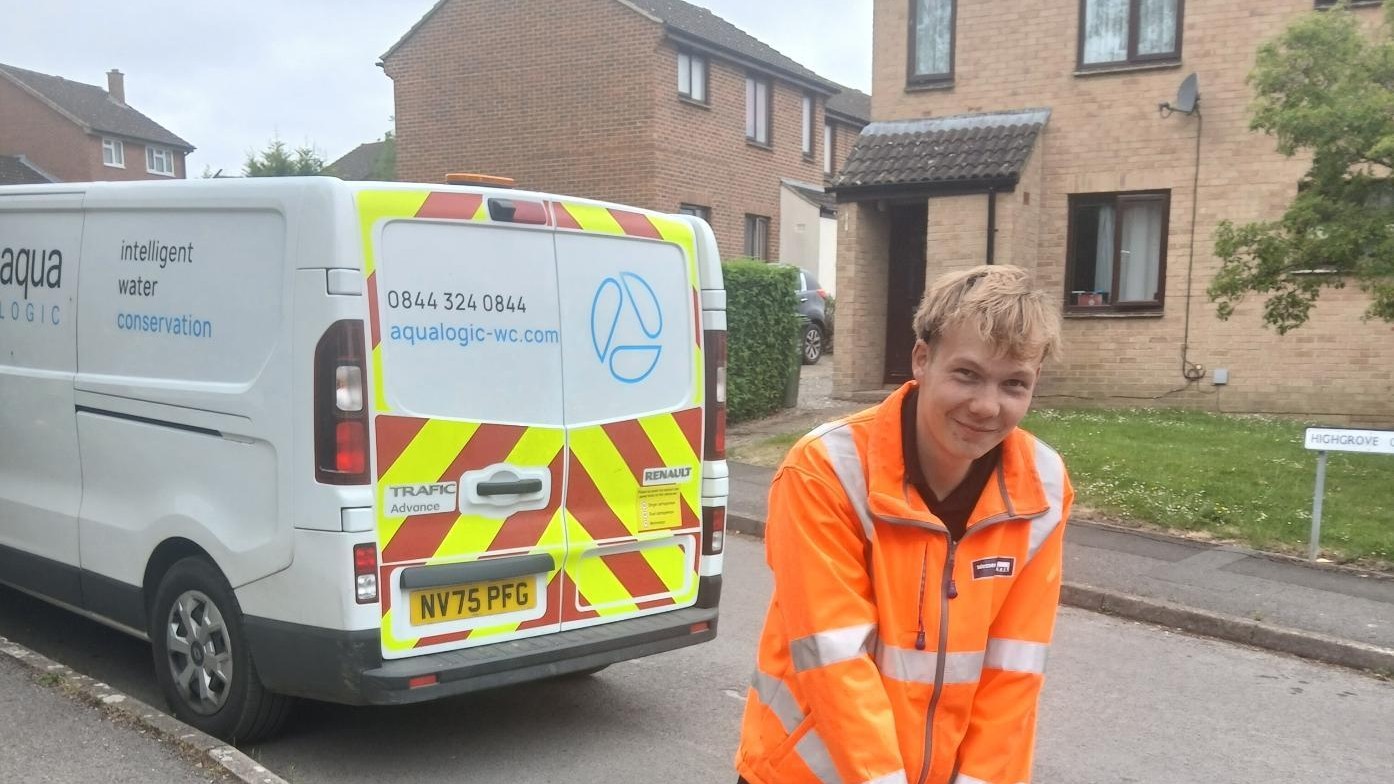
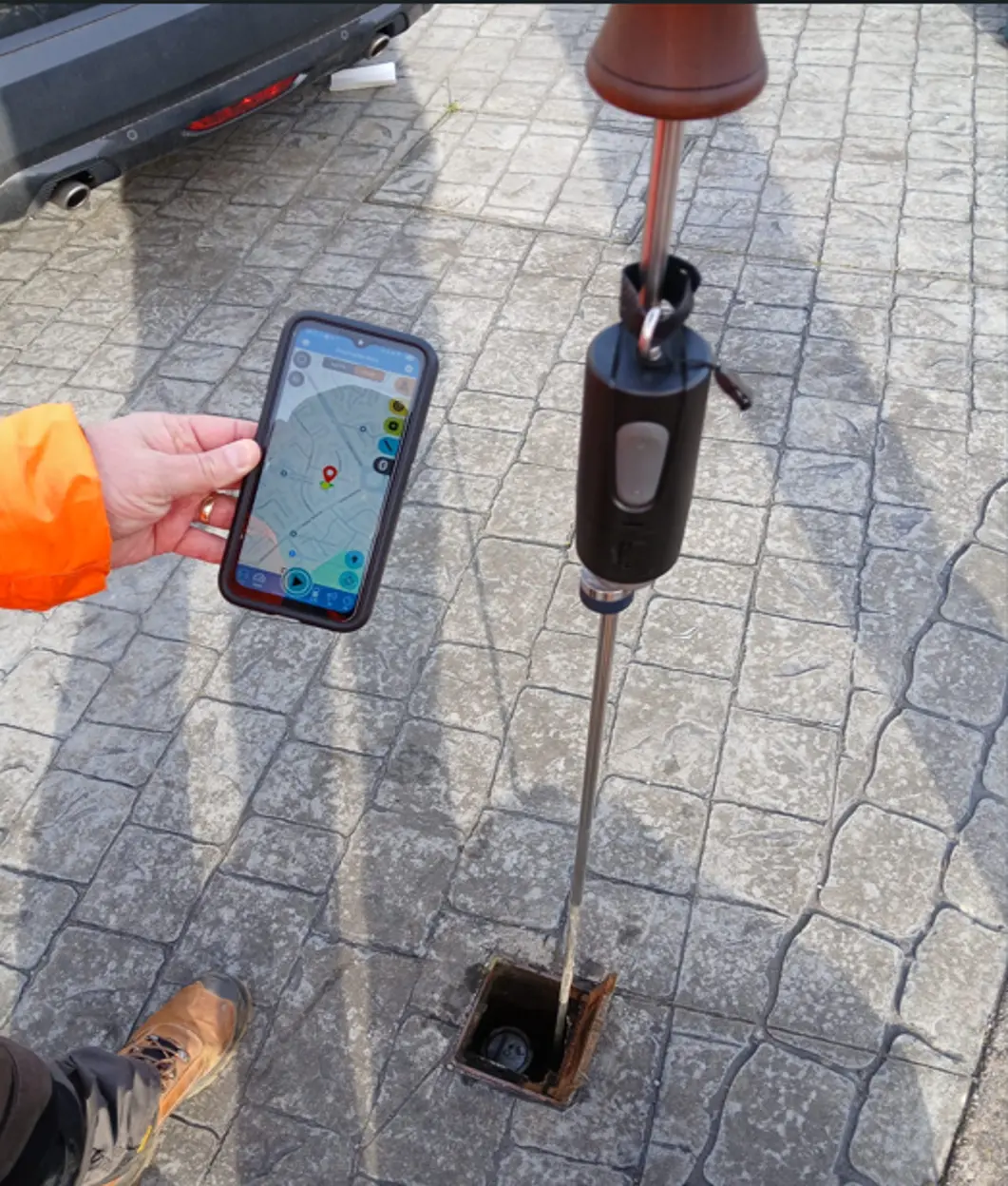
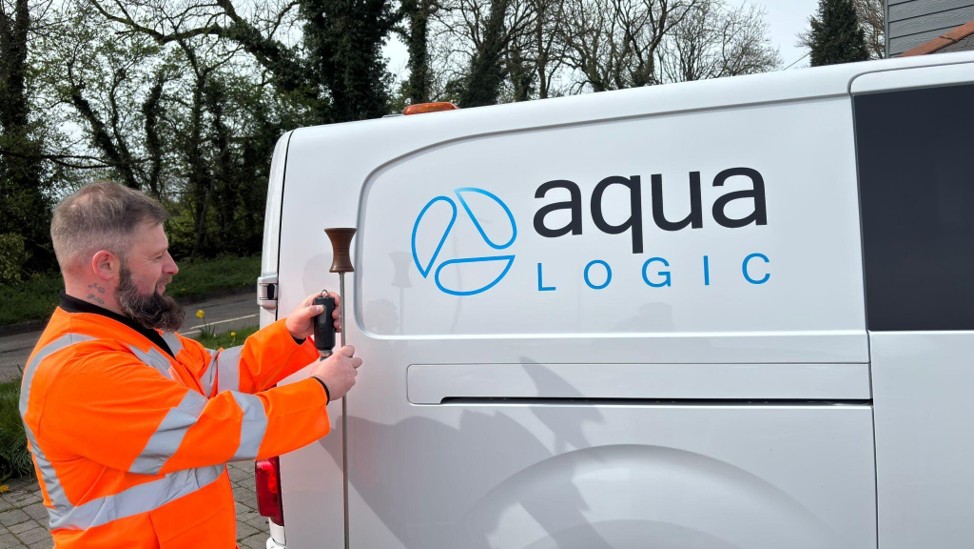
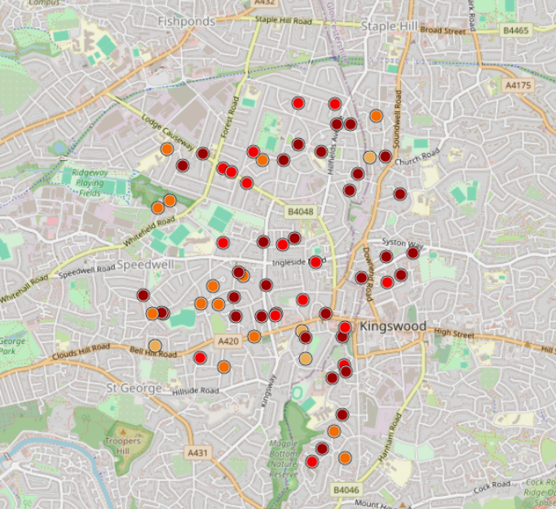
We put four field technicians into Kingswood on a two-week programme, resourced to cover the DMA in full rather than pick at it. Every fitting was sampled using iQuarius digital leakage detection, capturing acoustic and asset data as the team worked. Schematic plans overlaid with the live sample data showed coverage as it built, so gaps were visible while there was still time to close them rather than discovered at the end.
Survey data was analysed within 24 hours. That mattered more than it sounds. It meant Bristol Water’s inspectors could begin validating points of interest while our teams were still in the field, and the two ran alongside each other instead of one waiting on the other. Inspectors confirmed leakage and raised repair jobs as the findings came through.
Productivity and coverage were tracked daily. The weather was poor throughout and the programme still landed on time, with operatives reaching up to 275 samples per shift.
PROGRAMME AT A GLANCE
The Kingswood programme
Client
Location
Scope
Technology
Programme
Status
what this proves
Digital surveying works at scale
Every known leak in the DMA was found, which is the test a trial exists to pass. Beyond that, 72 points of interest returned 52 confirmed leaks, an accuracy rate of around 72%, and 42 of those went forward for repair. Total leakage identified came to 7,700 litres an hour, roughly 0.18 megalitres a day going back into the network rather than into the ground.
The wider point is where it happened. Large, complex DMAs are exactly where conventional leakage work slows down and loses confidence, and this one was surveyed in full in a fortnight, in bad weather, with the analysis turned around inside a day. Bristol Water has since awarded an ongoing 18-month contract