Dual Supply Balance & Optimisation
Put two pressure reducing valves on one system and they will fight each other. Each one sees the other moving and corrects for it, and the system never settles. In Whipton, in Exeter, a dual supply was feeding 3,583 properties at more pressure than they needed. Over six weeks we installed controllers on both valves, got them working together rather than against each other, and took 19 metres off the system, five at a time, to keep customer contacts down.
CLIENT
South West Water
THE RESULTS
14%Reduction in burst frequency
229 m³/dAverage daily flow reduction
19 mPressure reduction at both valves
6.9 m³/hrMinimum night flow reduction
THE CONTEXT
Controllers going on across the region
South West Water supplies around 1.7 million people across Cornwall, Devon and parts of Somerset and Dorset, and since 2016 a further half a million in the Bournemouth Water region. As part of its leakage reduction programme it is fitting controllers to the pressure reducing valves on every pressure managed area serving more than 400 properties. Whipton is one of them.
THE CHALLENGE
Two valves feeding one system
Whipton is a dual supply. Two pressure reducing valves feed the same 3,583 properties, and that makes it harder than a single valve site. Each valve responds to what it sees on the network, and what it sees includes the other valve adjusting. Left alone, the two work against each other and the system never sits still.
The pressure needed to come down. It needed to come down on both valves at once, in step, and gradually enough to keep customer contacts down.
our approach
Three stages, and no sudden moves
We started at a desk, not on site. A study of the valve elevations and the critical point locations told us whether the system could be balanced at all and whether levels of service would hold. That, together with a review of the available data and a conversation with local operations, set the staged approach that followed.
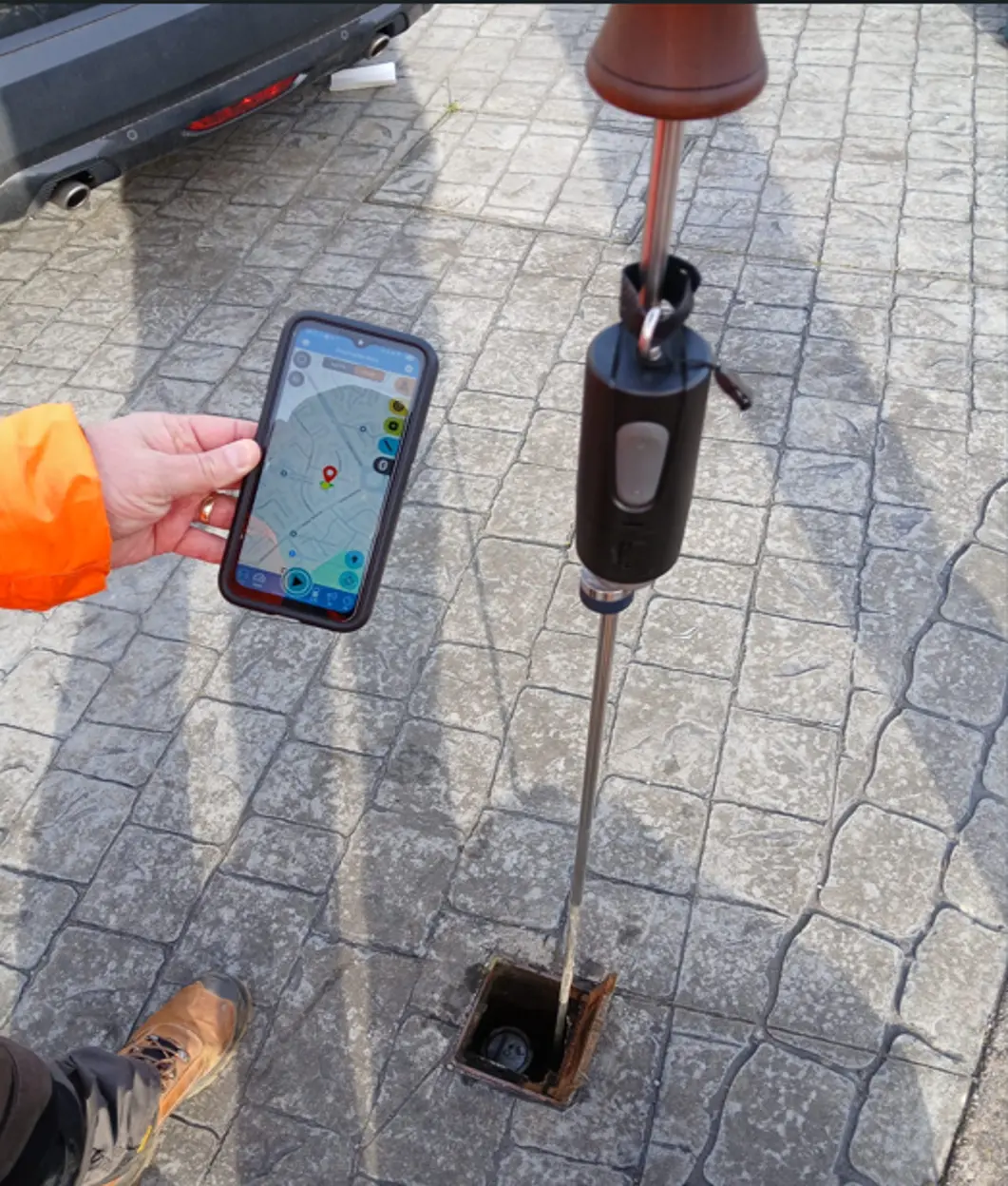
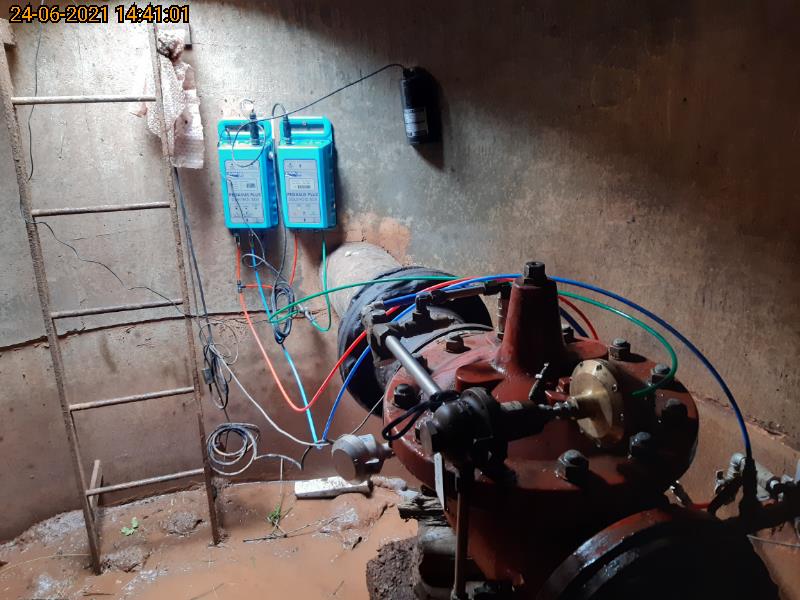
The two controllers went in next, installed and commissioned in a synchronised fashion so the valves would not spend their lives correcting for each other.
Then the optimisation, using the logged data from the controllers and the critical point loggers. Outlet pressure came down on both valves in five metre steps until 19 metres had come off in total, the increments chosen to keep customer contacts down. Daily checks kept the system operable and balanced while it moved. A time profile went on top of that to take night-time pressures lower still, when nobody is using the water and the leaks are working hardest.
PROGRAMME AT A GLANCE
The scheme in short
Aqualogic were commissioned to install controllers on a large dual supply system within the Whipton area of Exeter supplying a total of 3583 properties.
Over a period of six weeks, Aqualogic undertook the balancing and optimisation of this system. The outlet pressures of both PRV’s were decreased in 5mhd increments to mitigate any potential customer contacts until a total of a 19mhd reduction was made.
Client
Location
Properties served
Scope
Duration
Status
what this proves
Profile optimisation earns its keep
This scheme is a clear demonstration of what profile optimisation delivers. Not just turning the pressure down, but shaping it across the day so the network gets what it needs when it needs it and nothing more.
The bursts matter most in the long run. A 14% reduction in burst frequency means fewer holes in the road, fewer customers off supply, and pipes that last longer before anyone has to dig them up.
And it worked on the harder version. Two valves on one system, kept in step, on a time profile, across 3,583 properties, in six weeks.